
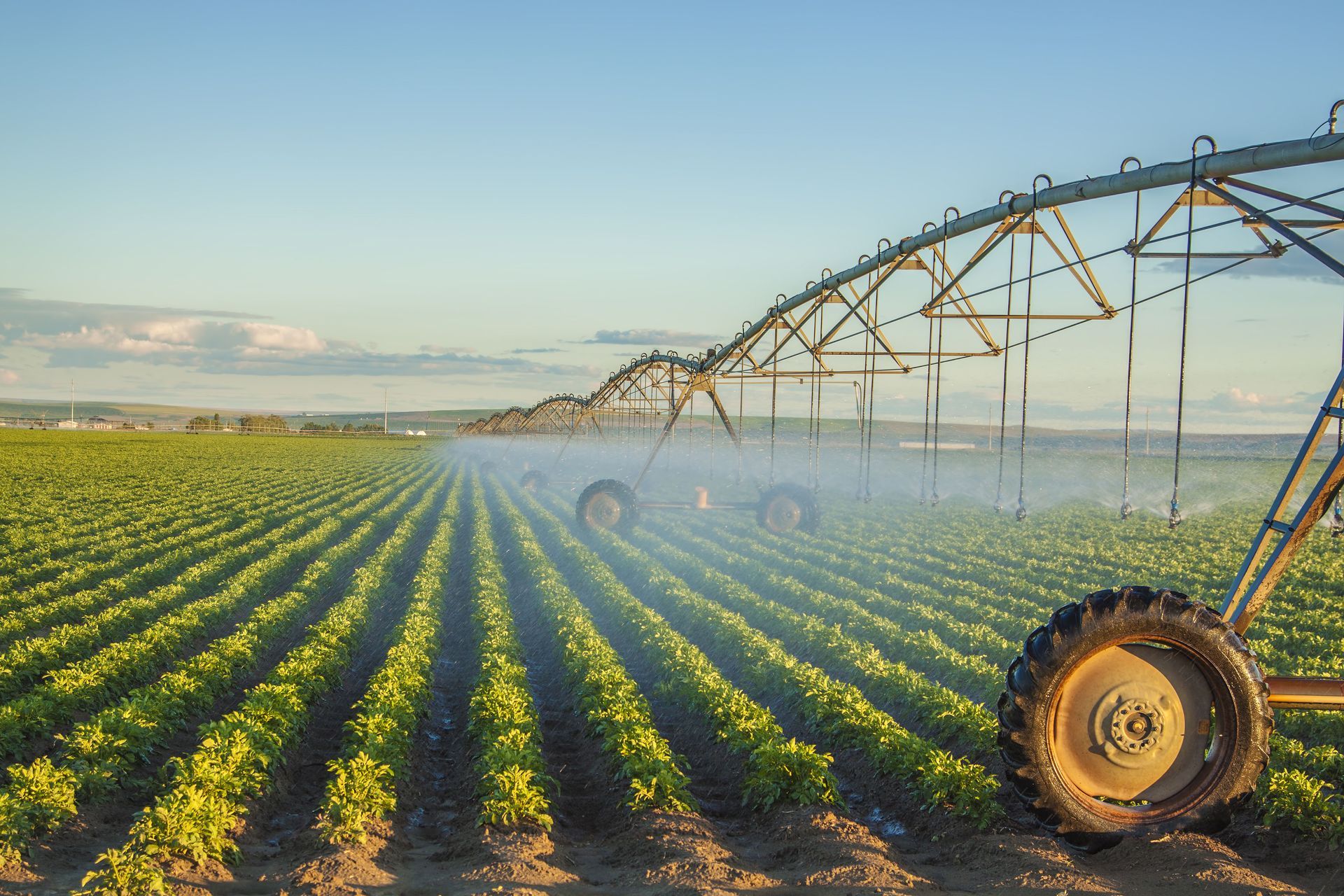
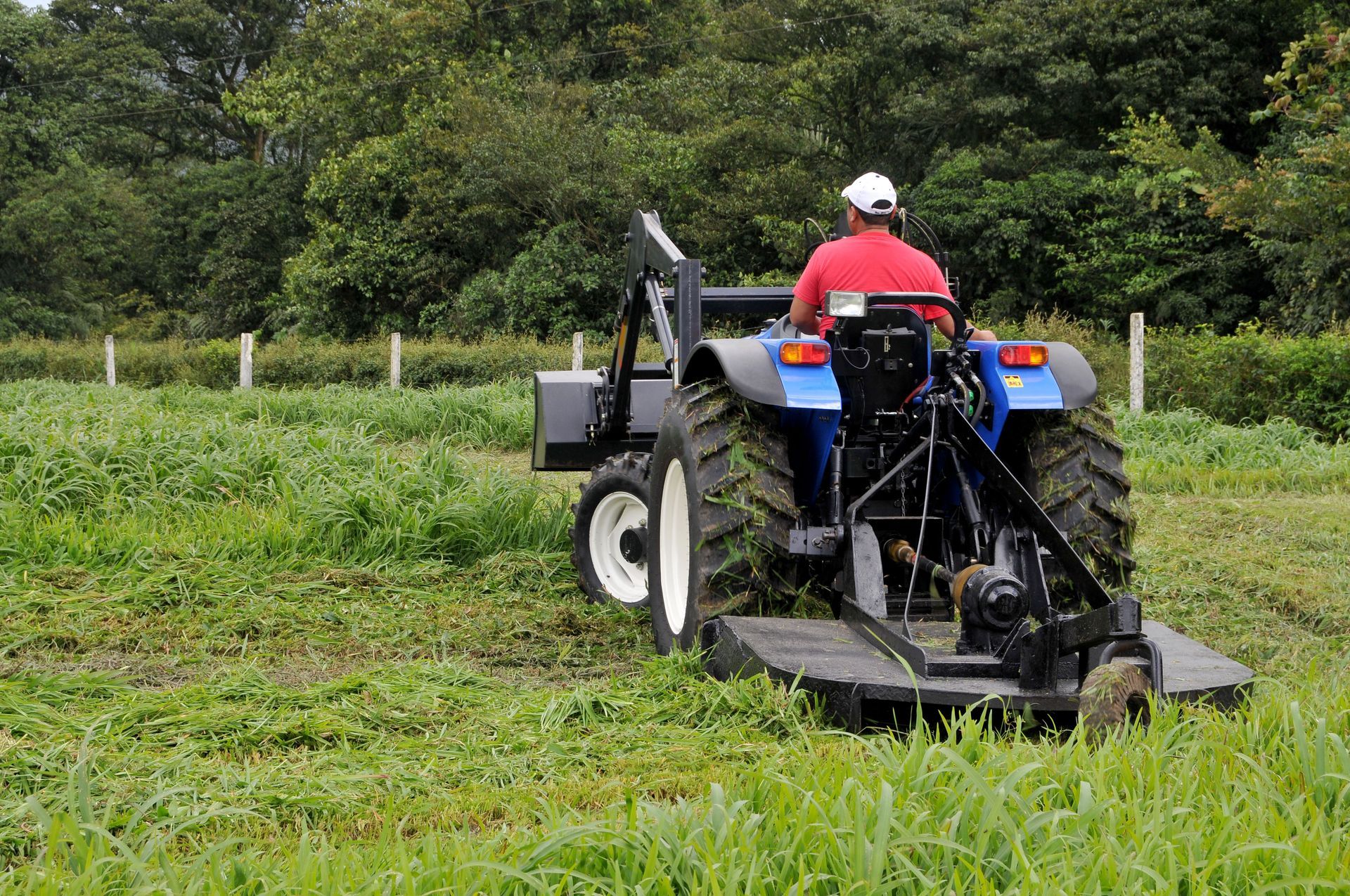
Modern farming continues to evolve as producers respond to shifting environmental conditions, changing consumer expectations, labor concerns, and operational challenges. As agricultural practices become more specialized, the tools used across farms must also adjust to meet new demands. From planting and harvesting to transportation and soil management, reliable machinery plays a major role in helping agricultural operations remain productive and efficient. The development of agricultural equipment reflects the industry’s need for greater adaptability. Farmers often rely on machinery that can support multiple tasks while maintaining consistent performance in changing conditions. Equipment manufacturers and service providers continue refining designs, technologies, and operational features to help agricultural businesses manage daily demands more effectively. Supporting Flexible Farming Operations Farming conditions rarely remain the same from one season to the next. Weather patterns, crop choices, and land conditions can all influence how operations are managed. Flexible machinery allows producers to adjust to these changing circumstances while maintaining workflow efficiency across different stages of production. Many forms of agricultural equipment are now designed with adaptability in mind. Operators often prefer machines capable of handling multiple applications rather than relying on highly limited systems. Equipment that supports attachments, interchangeable components, or adjustable operating settings helps farms transition between tasks more smoothly. This flexibility also supports farms with diverse production goals. Operations managing different crops or varying land conditions benefit from machinery that can perform effectively in multiple environments. Adaptable solutions can reduce downtime while improving operational continuity throughout the year. Manufacturers continue exploring ways to improve maneuverability, comfort, and ease of operation as well. These updates help operators manage demanding workloads more efficiently while reducing unnecessary strain during long workdays. Improving Precision Across Daily Tasks Precision has become increasingly important in modern agriculture. Many producers seek ways to improve accuracy when planting, cultivating, irrigating, and harvesting crops. Greater precision can support better resource management while helping operations maintain consistent production standards. Advancements in agricultural equipment often focus on improving operational control. Modern systems may include advanced monitoring features, automated guidance systems, and improved application accuracy to support better field management practices. These tools help operators make informed adjustments during daily operations. Accurate performance also contributes to reducing unnecessary waste. Equipment that distributes materials more evenly or operates with greater consistency can help farms use resources more responsibly. This can support both operational efficiency and long-term land management goals. According to CNH Industrial and reporting highlighted by Farmdoc Daily, the slow agricultural vehicle market has contributed to plans for permanently closing an Iowa tractor production facility by the middle of 2026. The situation reflects how changing market conditions continue to influence machinery production and operational priorities across the agricultural industry. As farming needs continue evolving, precision-focused systems remain an important part of helping operations adapt to changing expectations and production strategies. Reducing Downtime During Critical Seasons Timing plays a major role in agricultural success. Delays during planting, harvesting, or field preparation can create operational challenges that affect productivity and scheduling. Reliable machinery helps reduce interruptions during these critical periods. Many agricultural operations depend on equipment capable of performing consistently under demanding conditions. Manufacturers often focus on improving durability, strengthening components, and simplifying maintenance access to help reduce unexpected breakdowns during busy seasons. Efficient repair support also contributes to minimizing downtime. Service accessibility, replacement part availability, and responsive maintenance programs can all influence how quickly operations recover from mechanical issues. Farms frequently prioritize equipment providers that offer dependable support when problems arise. In addition, many modern machines include monitoring systems that help identify operational concerns before larger failures occur. Early detection features allow operators to address performance issues more proactively, reducing the likelihood of severe disruptions during important production periods. Reliable agricultural equipment helps operations maintain momentum when timing and efficiency are essential for overall success. Enhancing Sustainability Through Smarter Solutions Sustainability continues shaping the future of agriculture. Many farms are exploring ways to improve resource management while maintaining strong production capabilities. Equipment manufacturers are responding by developing systems designed to support more efficient agricultural practices. Modern machinery often emphasizes fuel efficiency, reduced emissions, and improved resource application methods. Equipment that supports the accurate distribution of water, nutrients, or other materials may help farms reduce unnecessary consumption while maintaining productive operations. Technology integration also supports sustainability initiatives. Monitoring systems and performance tracking tools can help operators evaluate efficiency across various tasks. This information allows farms to make adjustments that align with both operational goals and environmental priorities. Another important consideration involves soil preservation. Heavy machinery can affect field conditions over time, which is why many equipment designs now focus on minimizing unnecessary ground impact. Improved tire systems, weight distribution, and operational precision can help reduce soil disruption during daily activities. As agricultural priorities continue shifting, sustainable practices remain closely connected to advancements in agricultural equipment across the industry. Expanding Technology Integration in Agriculture Technology has become a central part of modern farming operations. Agricultural businesses increasingly rely on digital tools to improve communication, monitor field conditions, and support decision-making processes. Machinery manufacturers continue incorporating advanced technologies into equipment systems to meet these evolving needs. Many forms of agricultural equipment now include integrated software, automated controls, and remote monitoring capabilities. These technologies can help operators manage tasks more efficiently while improving visibility across daily operations. Data collection also plays a growing role in equipment performance. Monitoring operational conditions, machinery efficiency, and field activity allows farms to evaluate performance trends over time. This information can support better planning and improve operational consistency. Automation has also expanded throughout the industry. Certain equipment systems now assist with repetitive tasks, helping reduce operator fatigue while improving workflow reliability. While human oversight remains essential, automated features can enhance productivity in demanding environments. As technology continues advancing, agricultural operations will likely continue adopting equipment designed to support greater connectivity, efficiency, and operational awareness. Addressing Labor Challenges With Modern Machinery Labor availability remains an ongoing concern for many agricultural operations. Farms often face challenges related to staffing, training, and managing physically demanding workloads. Equipment advancements can help support operations dealing with these workforce pressures. Modern machinery frequently focuses on simplifying operation and improving usability. Comfortable operator environments, intuitive controls, and automated systems can help reduce physical strain while improving productivity during long workdays. In some cases, adaptable agricultural equipment allows smaller teams to manage broader workloads more effectively. Multi-purpose systems and improved operational efficiency can help farms complete essential tasks without relying on large labor forces. Training support has also become increasingly important. Equipment manufacturers often provide educational resources and operational guidance to help users understand modern systems more efficiently. This support helps operators maximize equipment performance while maintaining safer working conditions. As labor dynamics continue evolving within the agricultural industry, machinery innovation remains closely connected to improving efficiency, usability, and long-term operational support. The agricultural industry continues adapting to changing environmental conditions, market demands, technological advancements, and workforce challenges. As farming practices evolve, machinery manufacturers and service providers play an important role in helping operations remain productive and efficient. From improving precision and sustainability to reducing downtime and supporting labor efficiency, modern agricultural equipment continues shaping the future of agriculture in meaningful ways. If you are looking for dependable support and advanced solutions tailored to evolving agricultural demands, Deep Sand Technology is here to help us deliver reliable service and innovative equipment solutions designed to support your operational success.
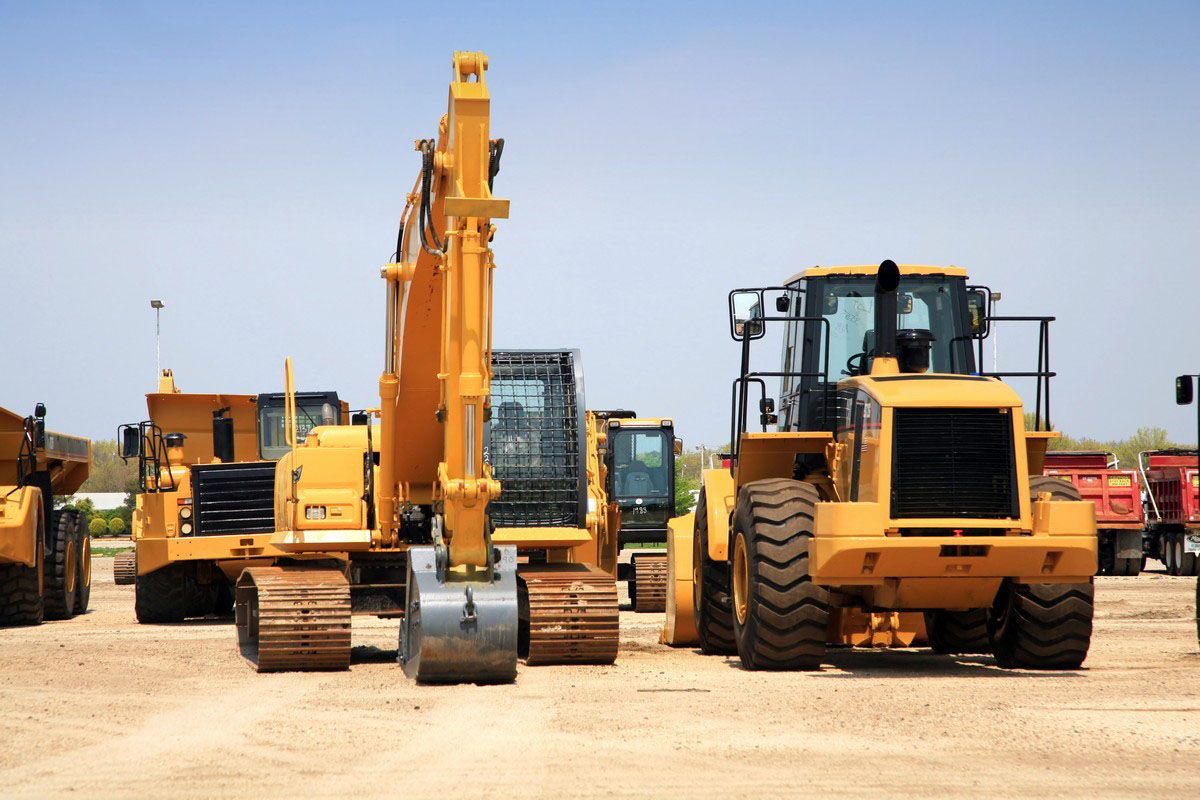
Agricultural equipment services assist companies in elevating their safety standards through comprehensive safety inspections and audits.
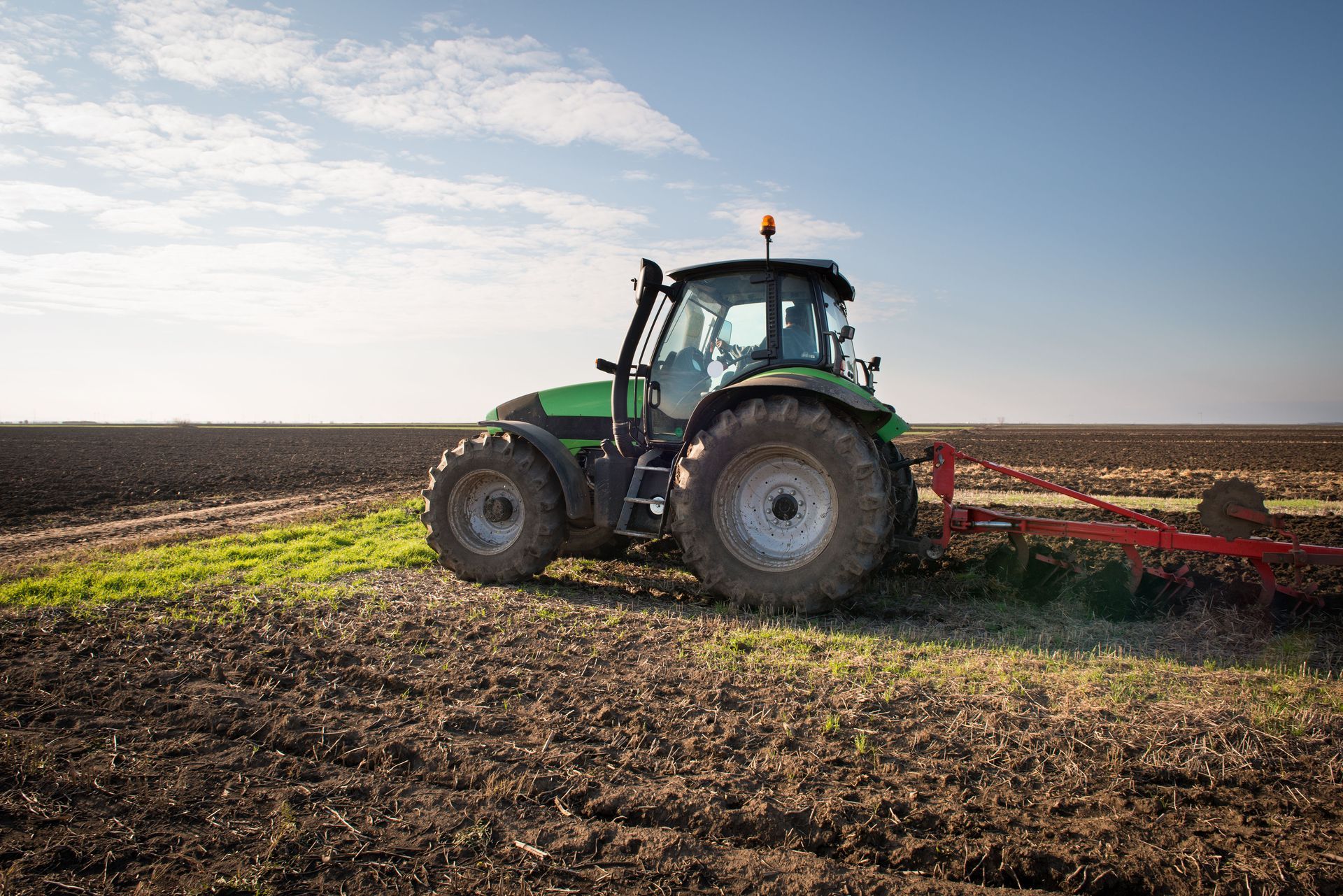
Maximize productivity with auto steer for tractor technology. Reduce fuel costs, minimize overlaps, and improve planting precision for a more efficient harvest.